Air in the lines
Air squeezes where brake fluid doesn't, so the pedal feels like a sponge. It gets in when the fluid runs low, or after brake work that wasn't bled properly.

Home » Brake answers »
Brake answers
The short answer
A soft or spongy brake pedal usually means air or moisture in the brake fluid, or a leak in a brake line, hose or caliper. Less often, the master cylinder is wearing out. Your brakes work by fluid pressure, so anything that lets the fluid squeeze or escape takes stopping power with it. Get it checked right away, and don't drive if the pedal sinks toward the floor.
From the Budget Brakes shops · Updated
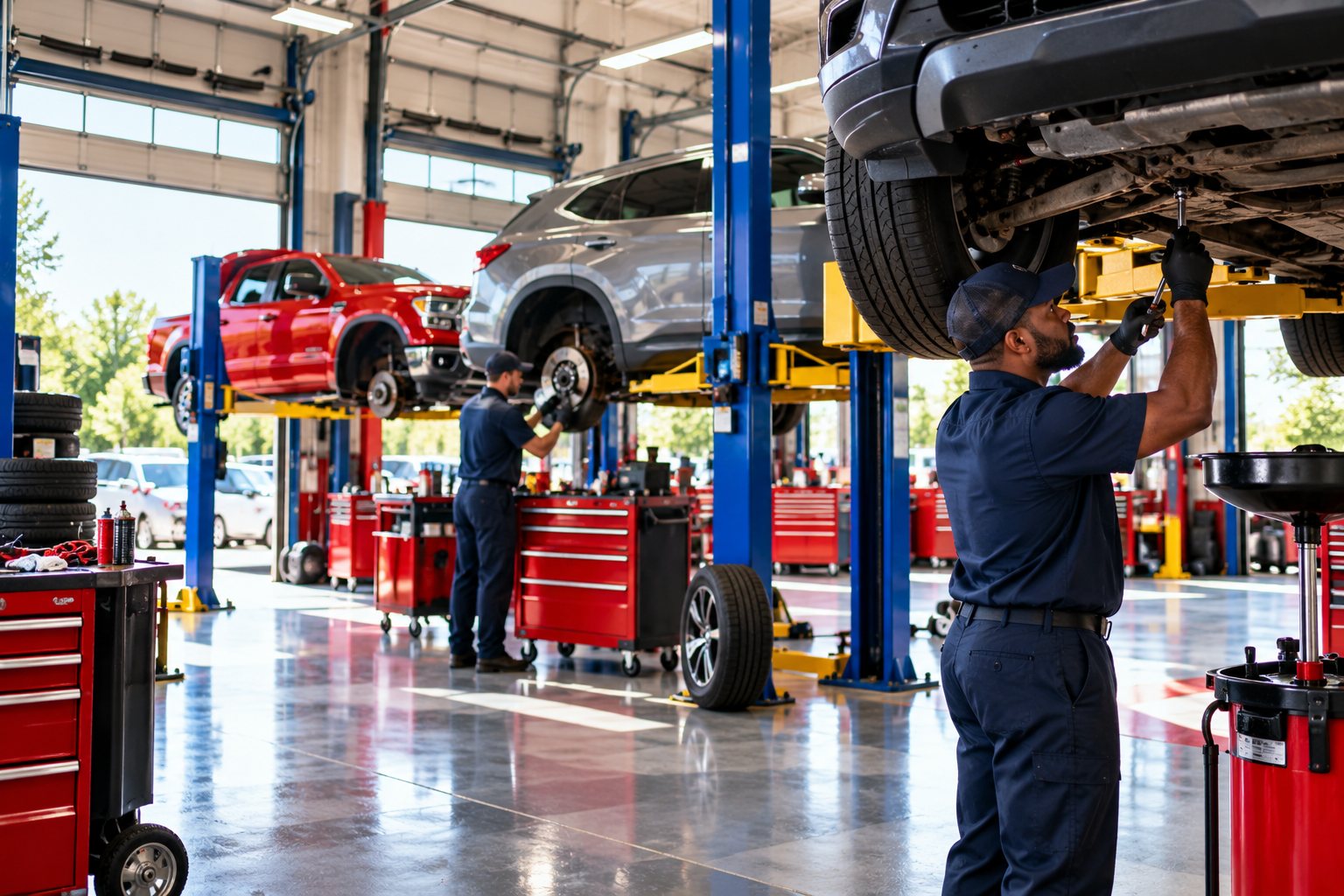
Air squeezes where brake fluid doesn't, so the pedal feels like a sponge. It gets in when the fluid runs low, or after brake work that wasn't bled properly.
Brake fluid soaks up moisture over time, and water lowers its boiling point. In hard braking it can boil into vapor, which feels just like air in the lines.
A cracked hose, a rusted line or a leaking caliper lets fluid out. Look for a damp spot inside a wheel or a small puddle near a tire.
The master cylinder turns your push on the pedal into pressure. When its seals wear, the pedal slowly sinks while you hold it at a light, even with no leak you can see.
Thin pads, or rear brakes that need adjusting, make the pedal travel farther before the brakes bite. That feels low more than soft.
With the engine off, find the brake fluid reservoir under the hood; your owner's manual shows where. If the level is below the MIN line, fluid is leaking or the pads are very worn. Topping it up isn't a fix: it only hides the reason.
If the pedal feels soft but the car still stops firmly, get it checked the same day and drive gently until then.
If the pedal sinks toward the floor, you have to pump it to stop, or the red brake warning light is on, don't drive. Have it towed.
Air is bled out of the system, and old fluid is flushed out and replaced. A leaking hose, line or caliper is replaced, and so is a worn master cylinder. At Budget Brakes the free brake inspection includes a brake fluid check, and you get a written price before any work starts.
Measured, not guessed. New pads start around 12 mm. We start the conversation near 3 mm, and you see the number.

Sixteen shops. One way of doing things.
Quality parts at low prices, an honest look at what your car needs, and a guarantee that travels with you to any Budget Brakes.
